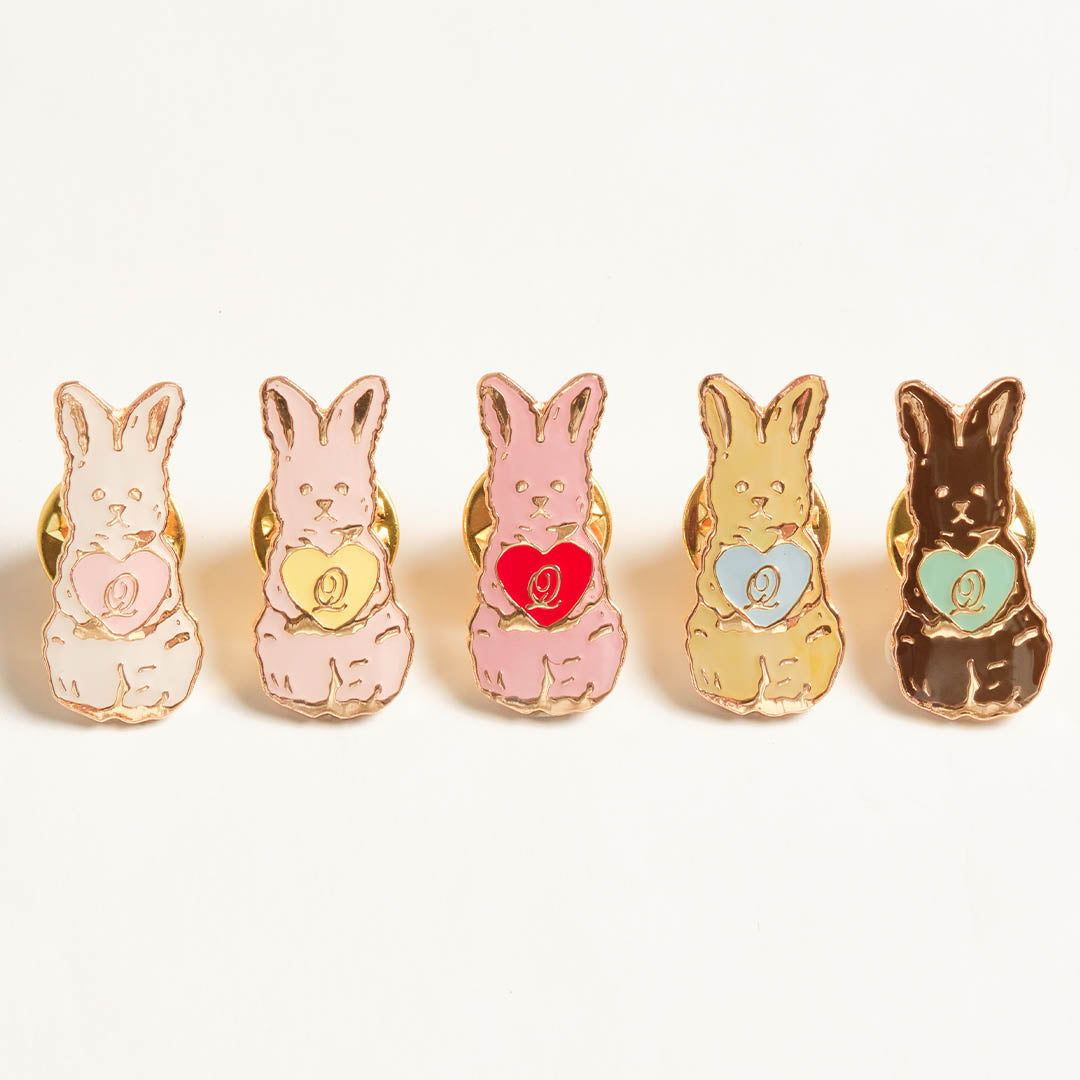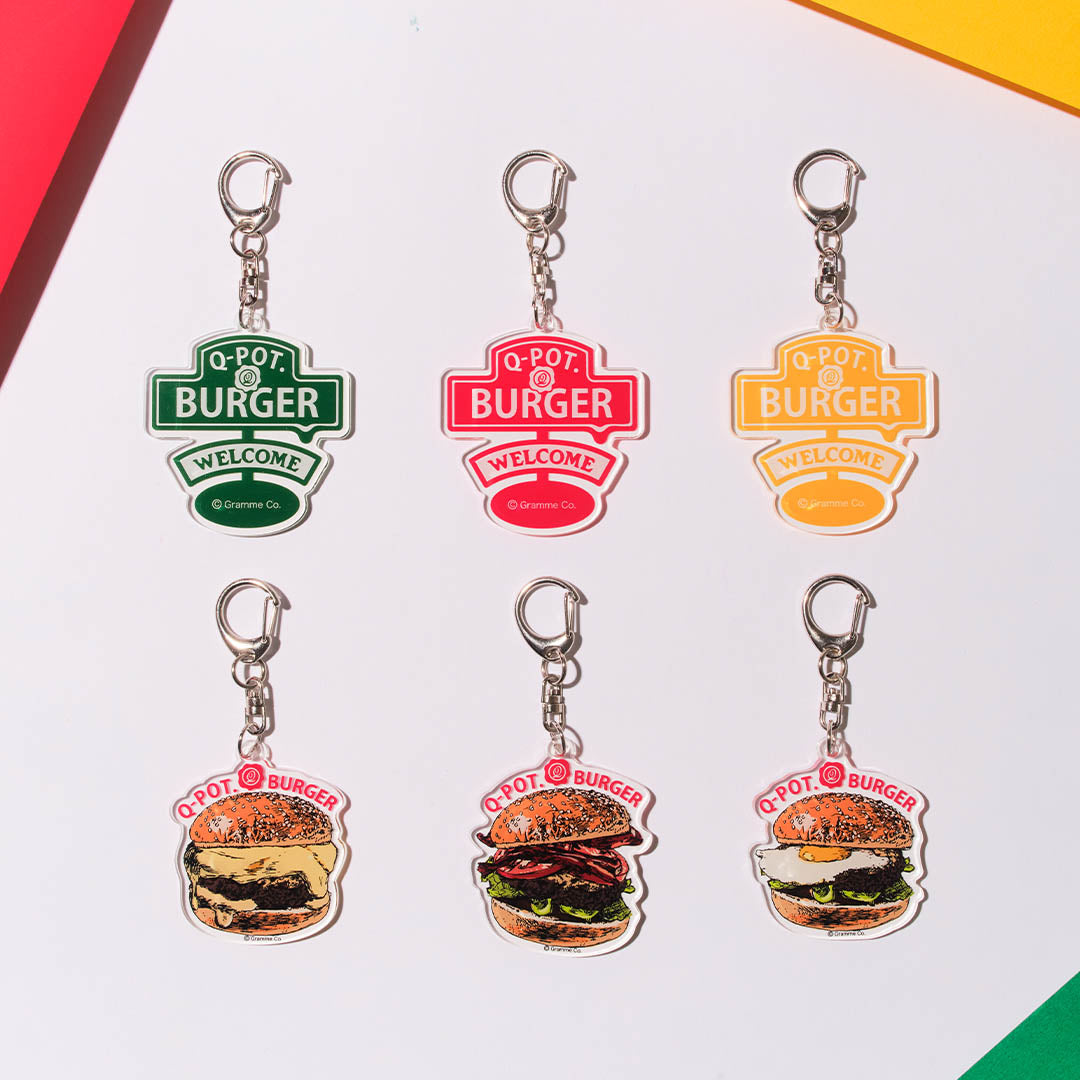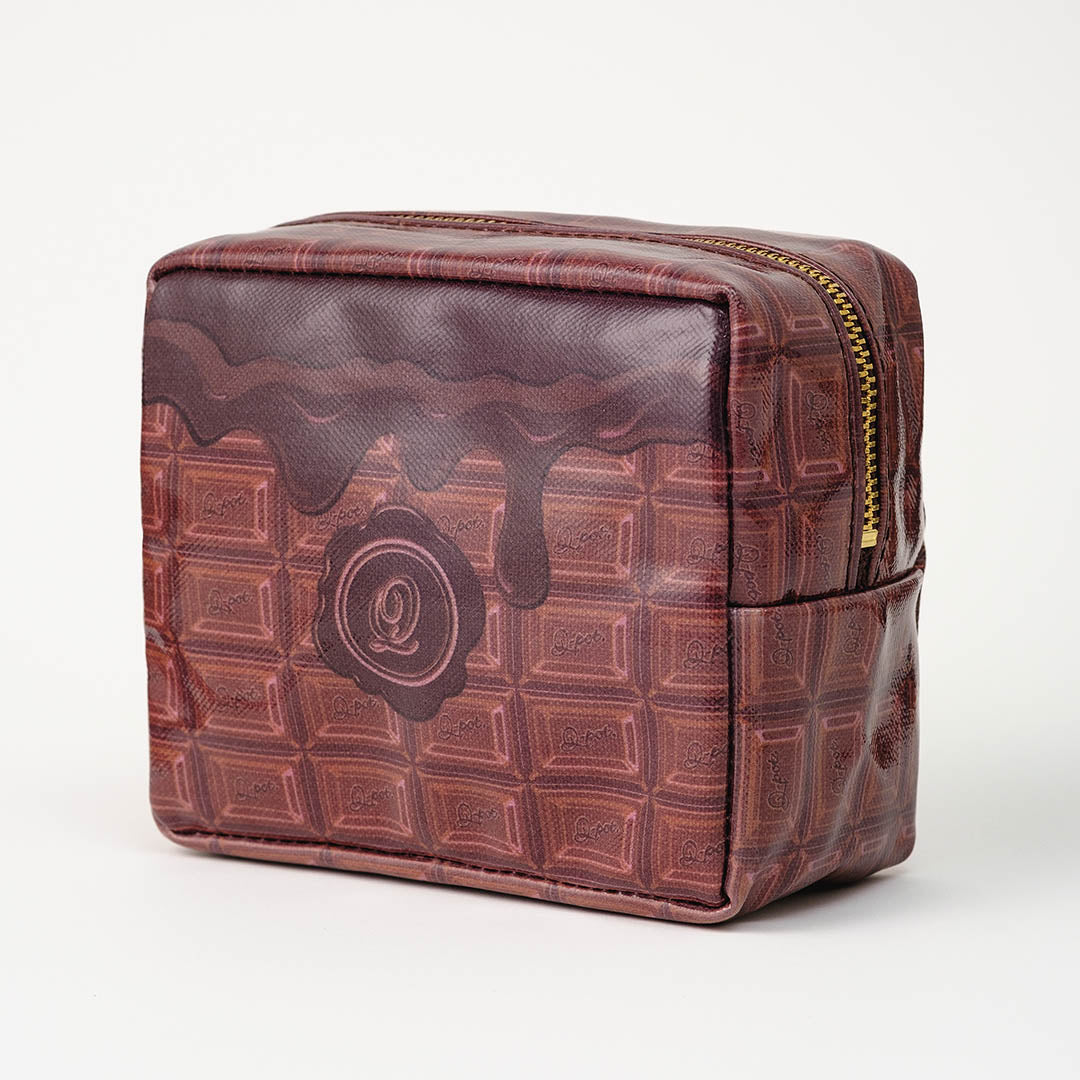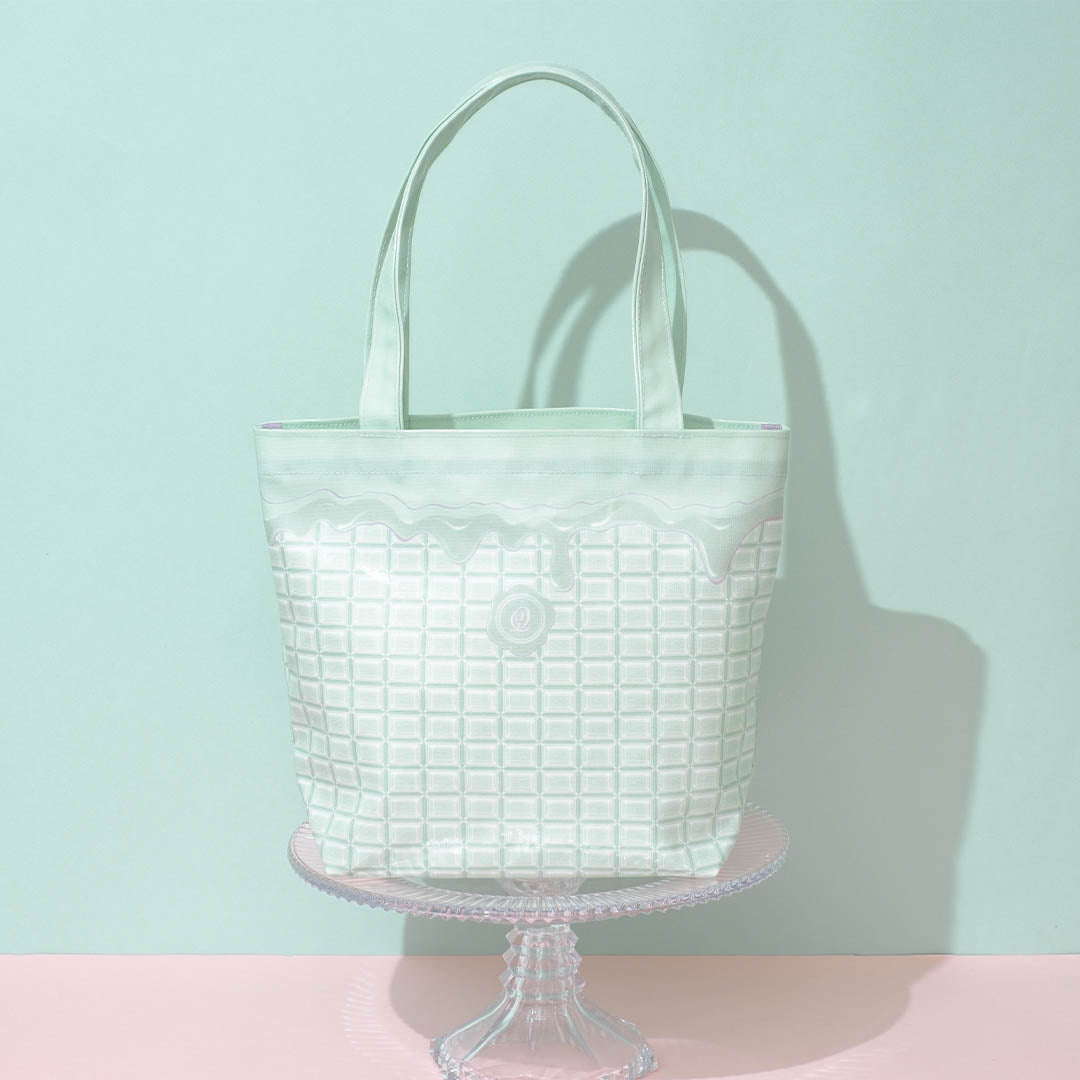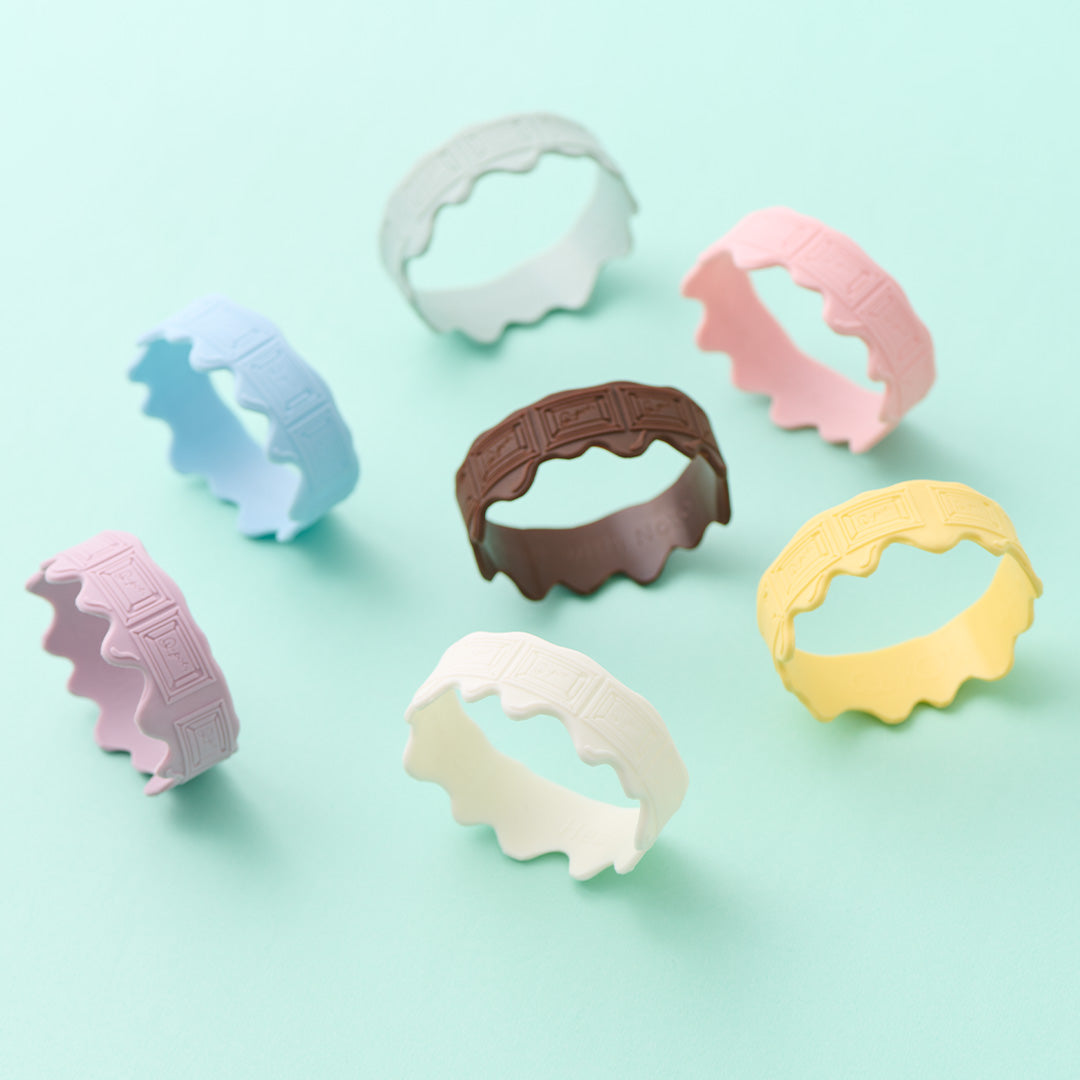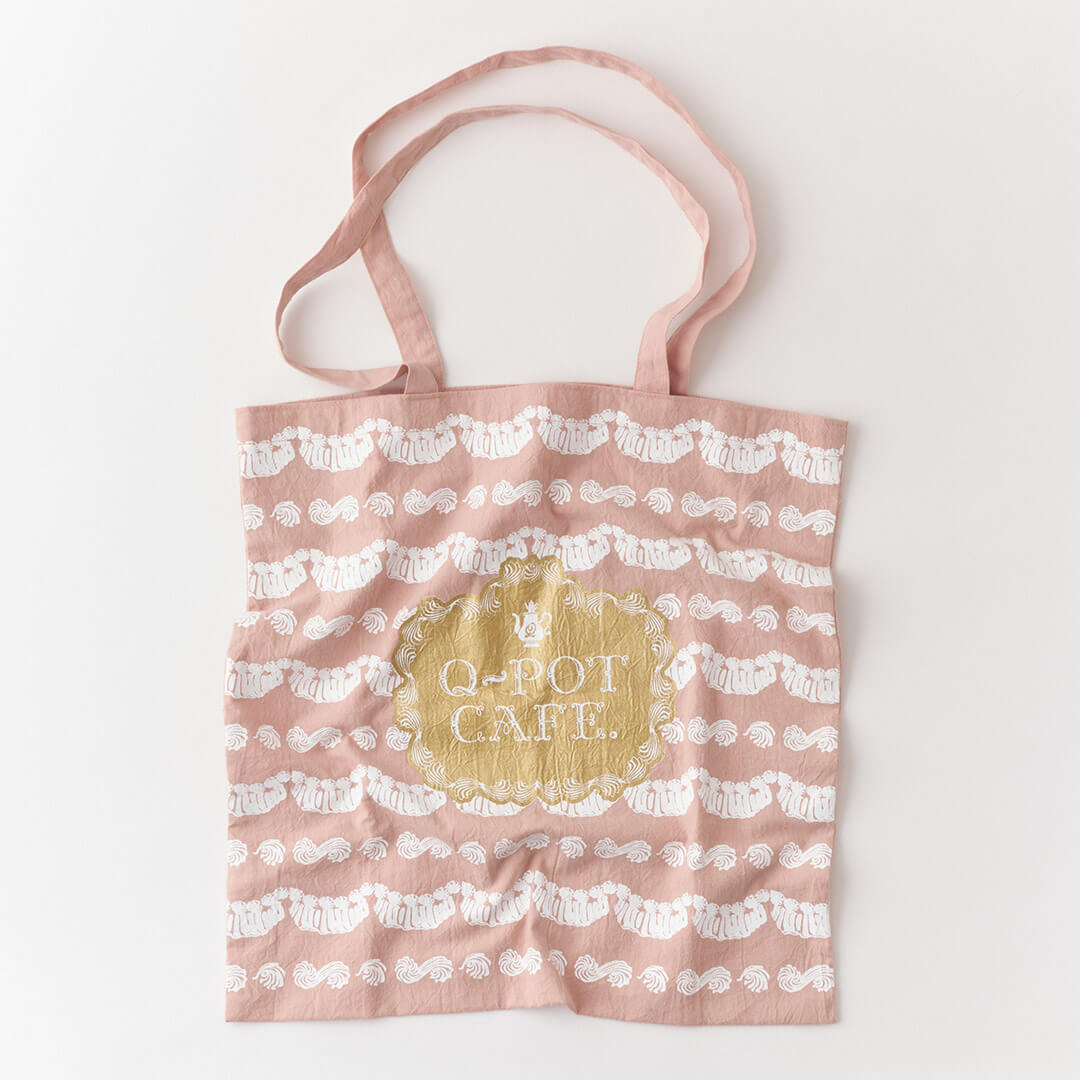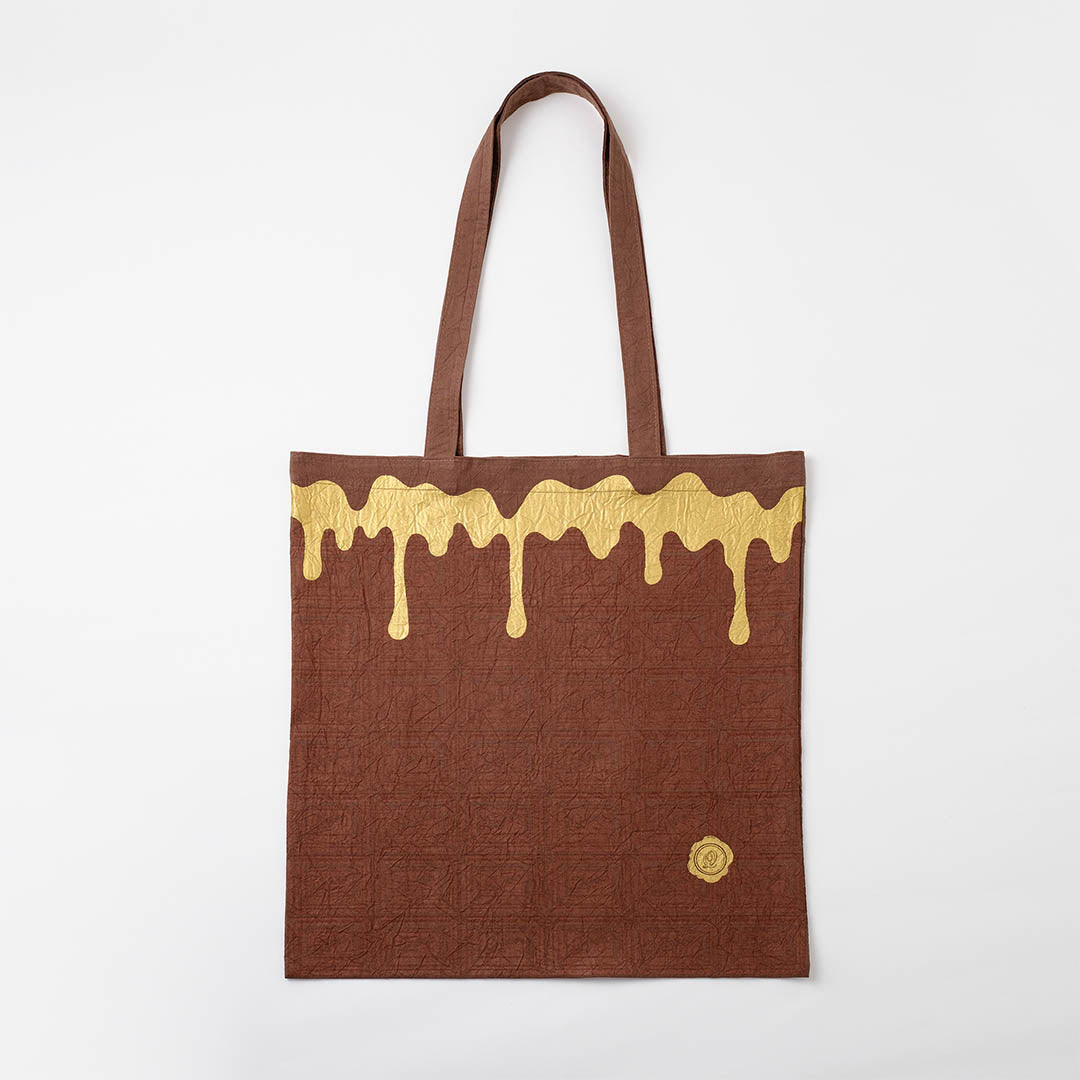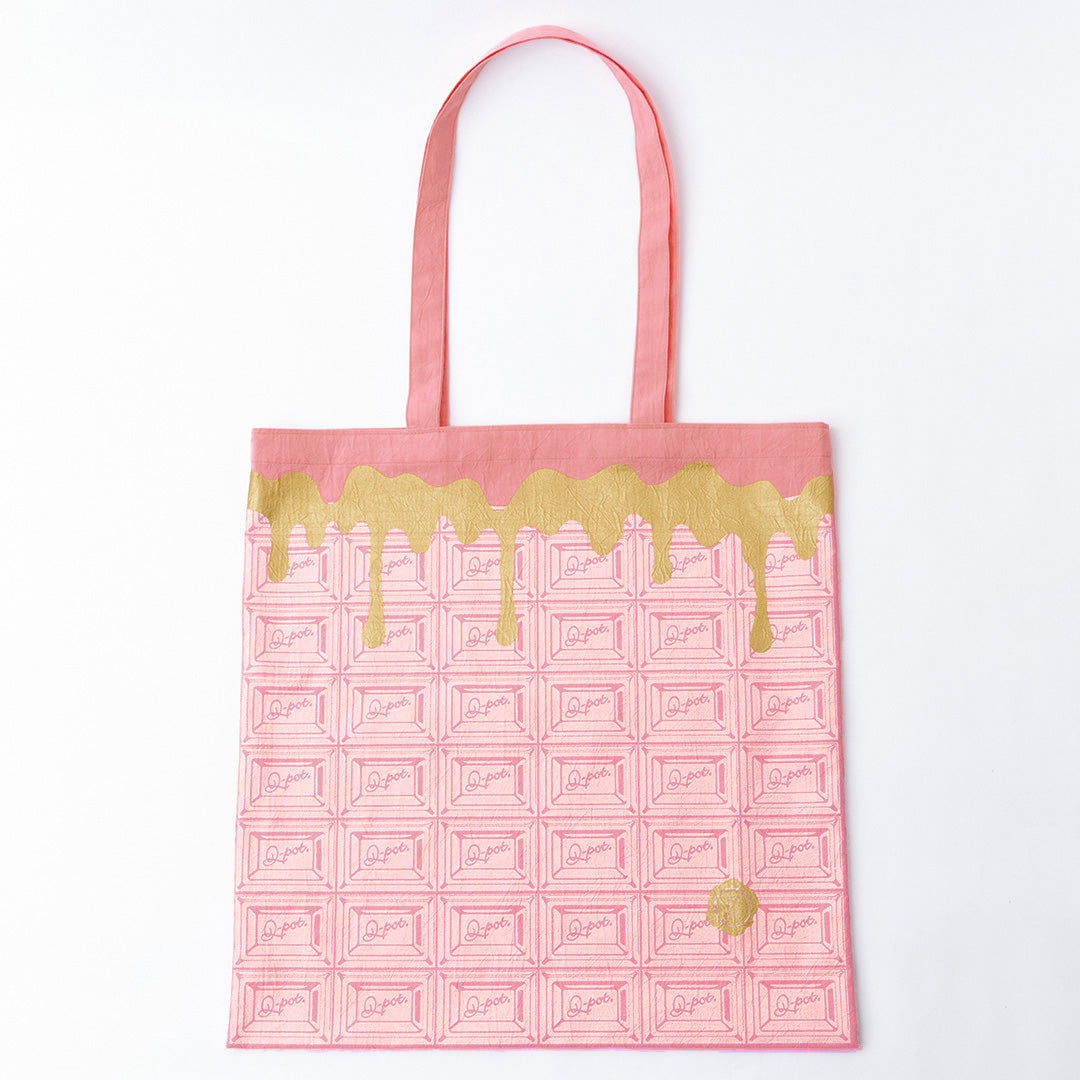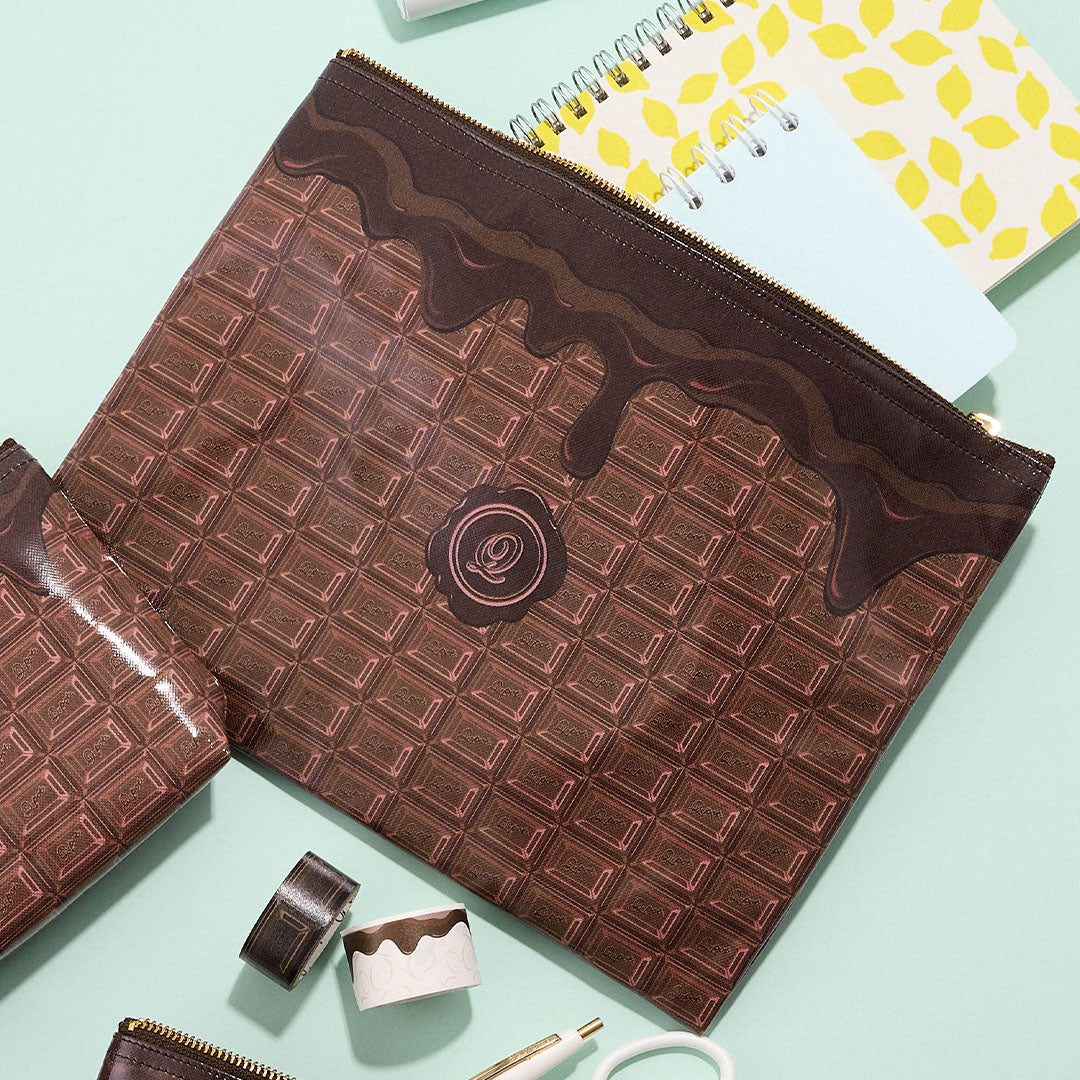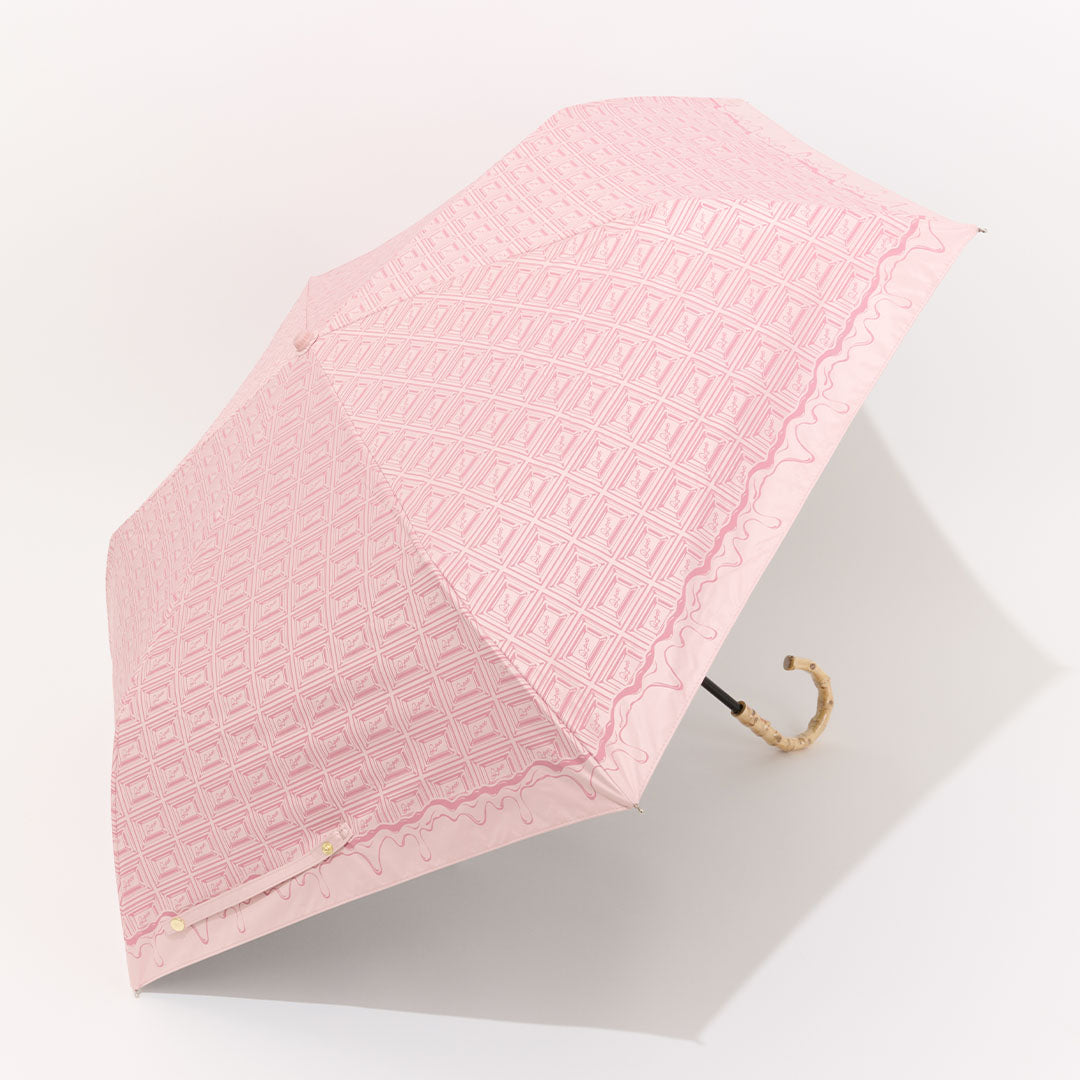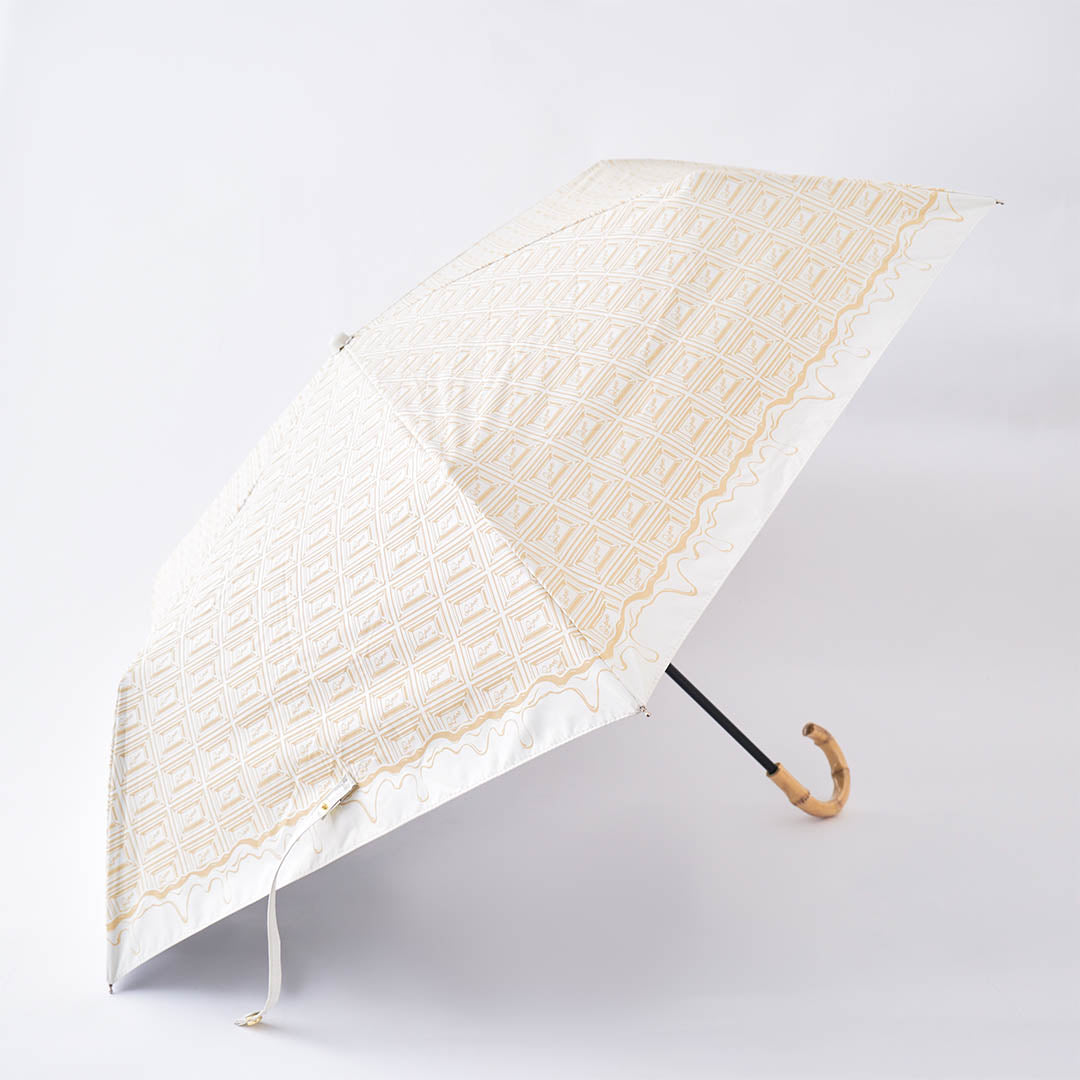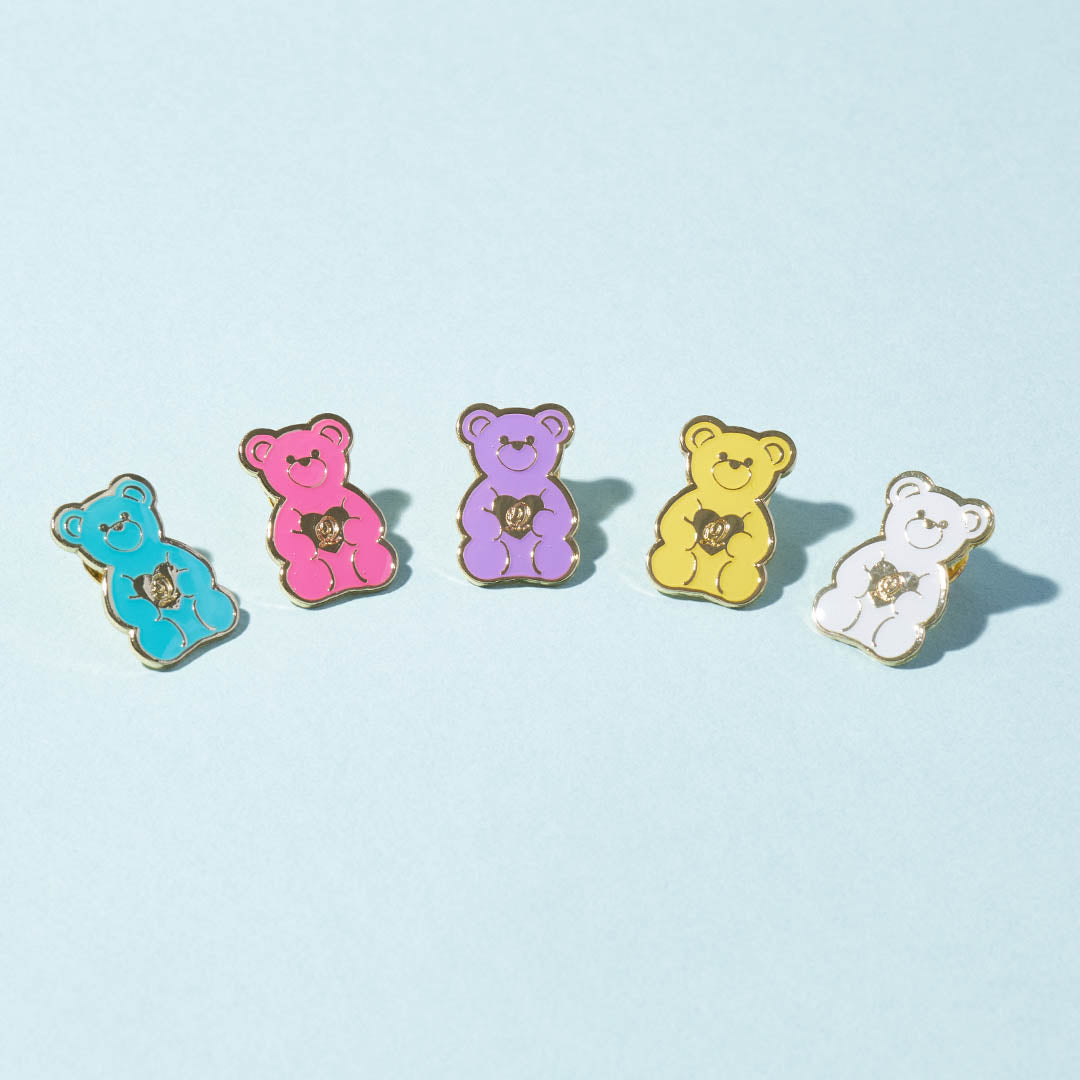
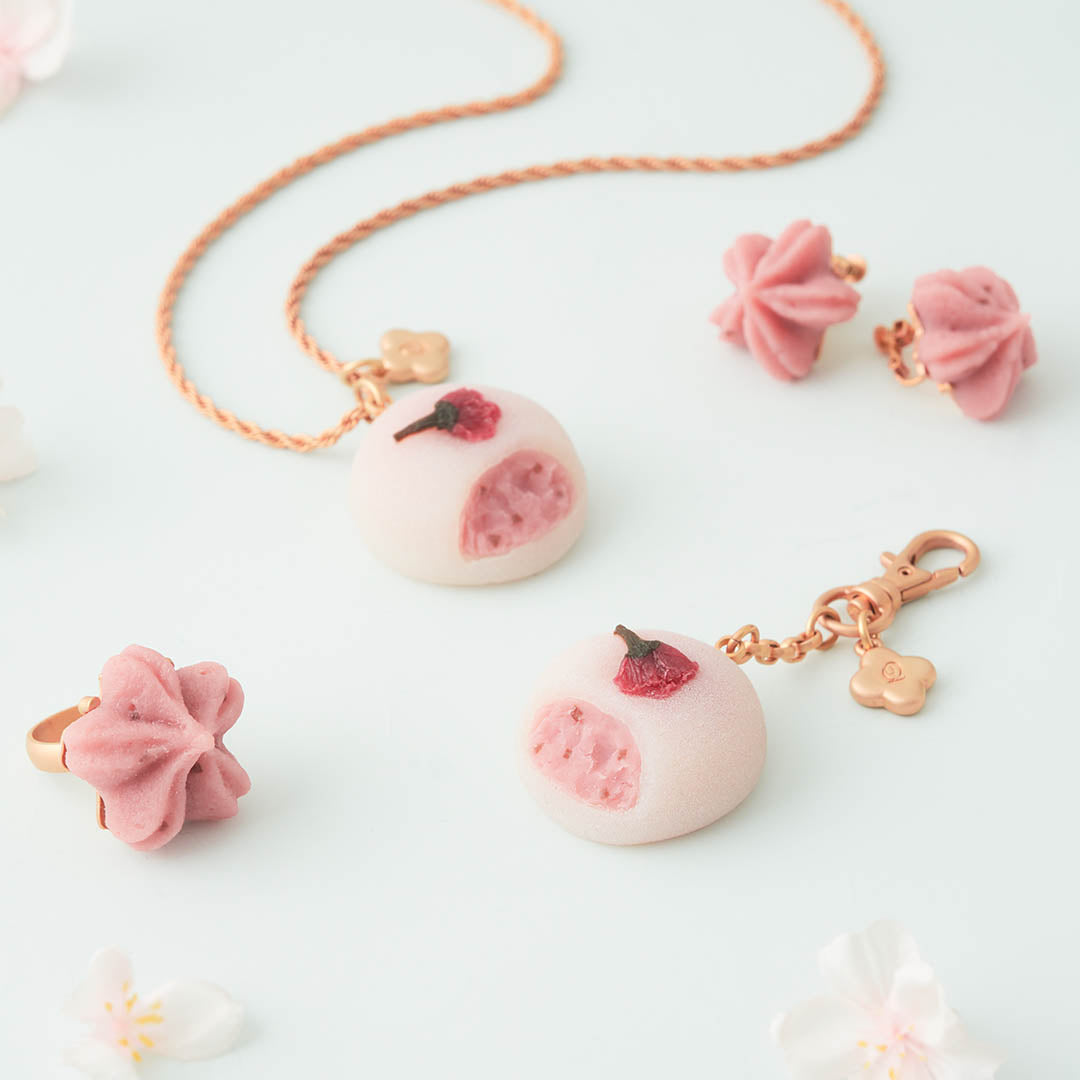
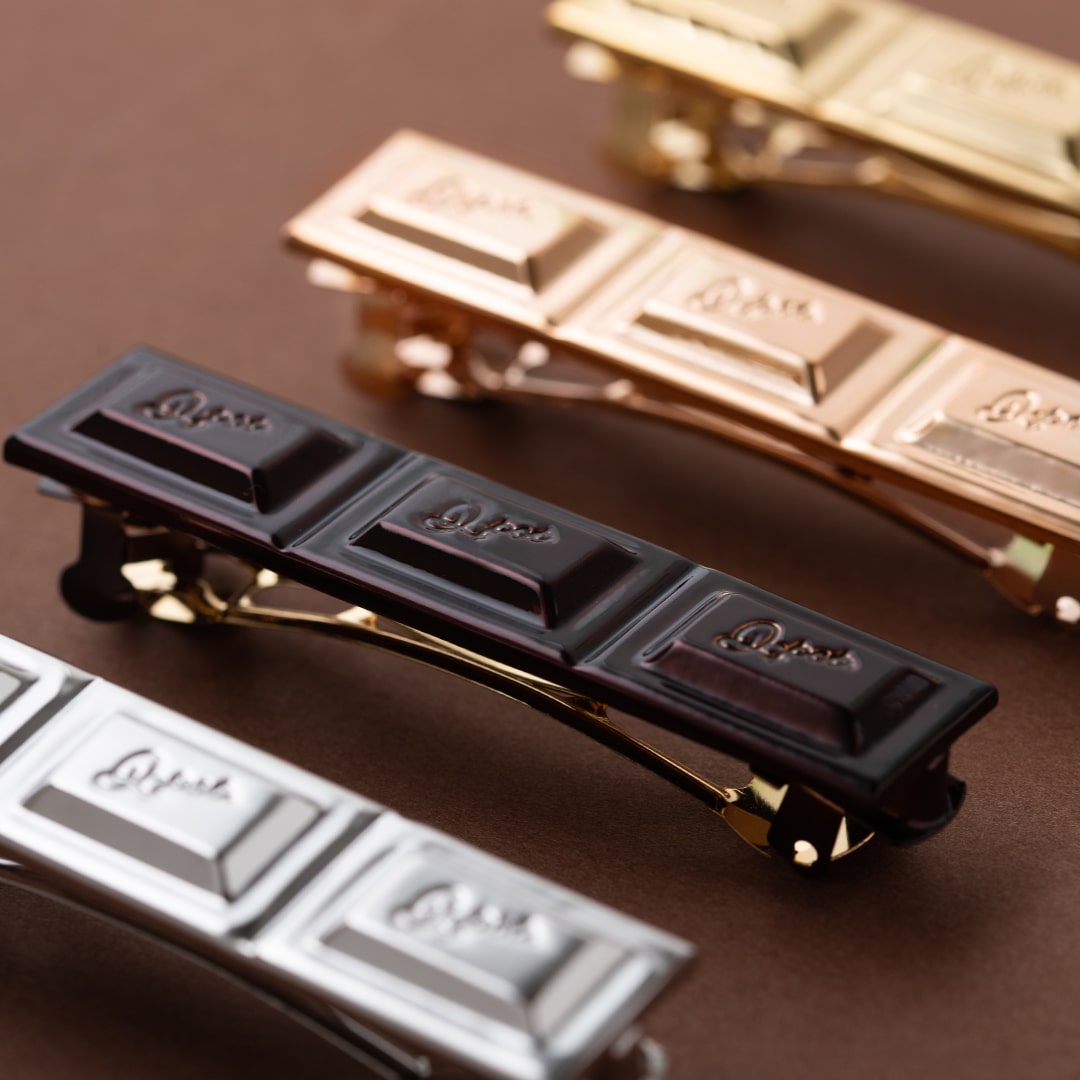
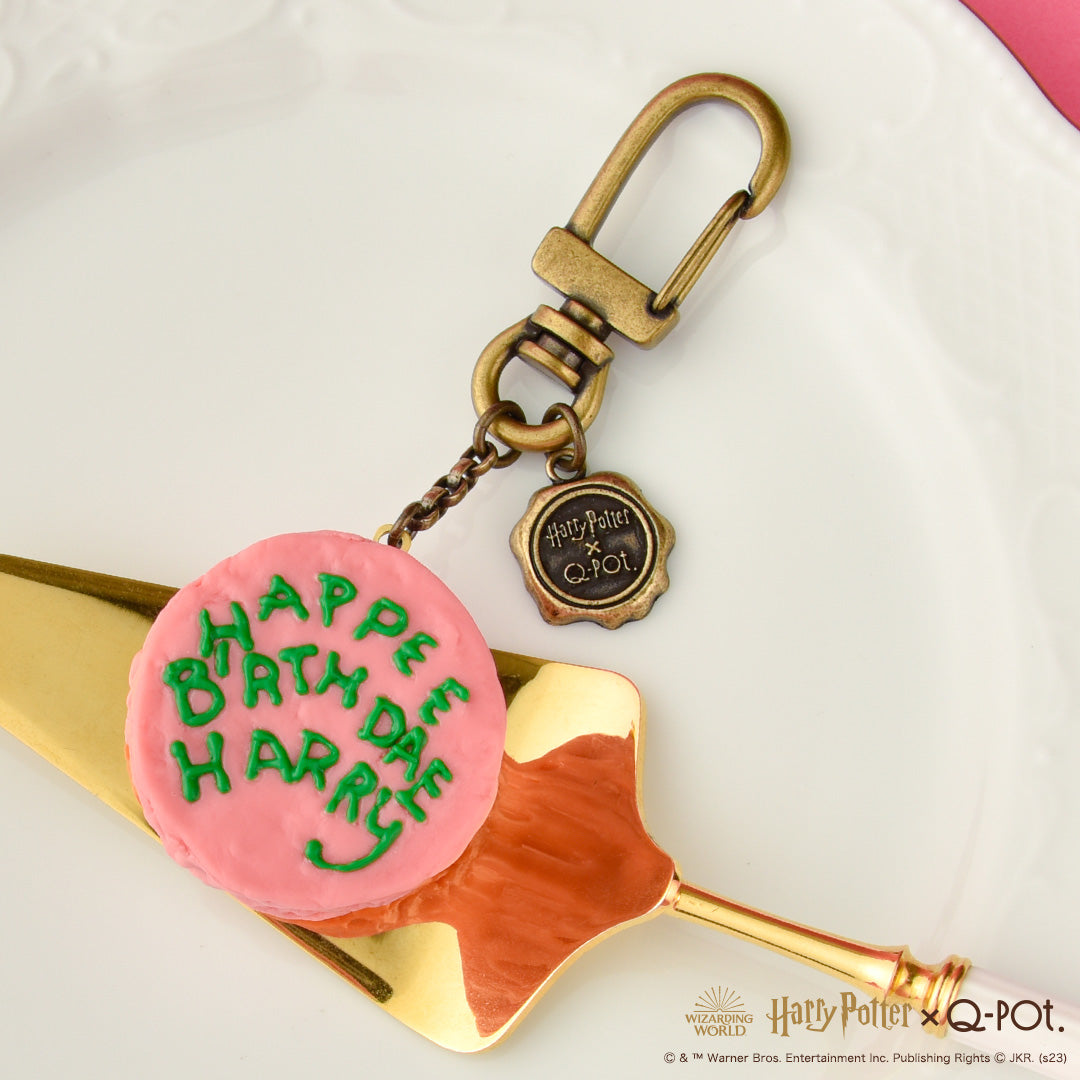
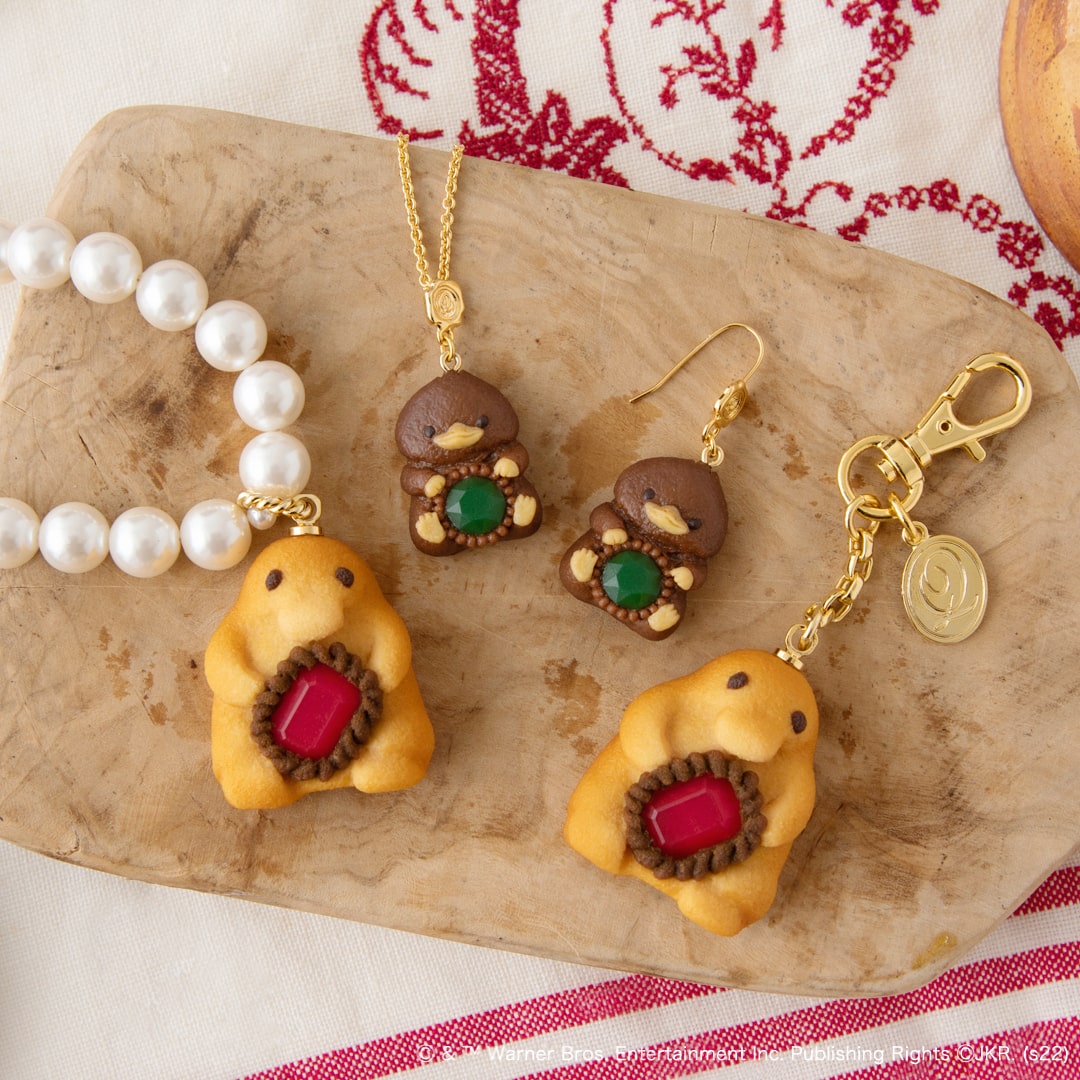
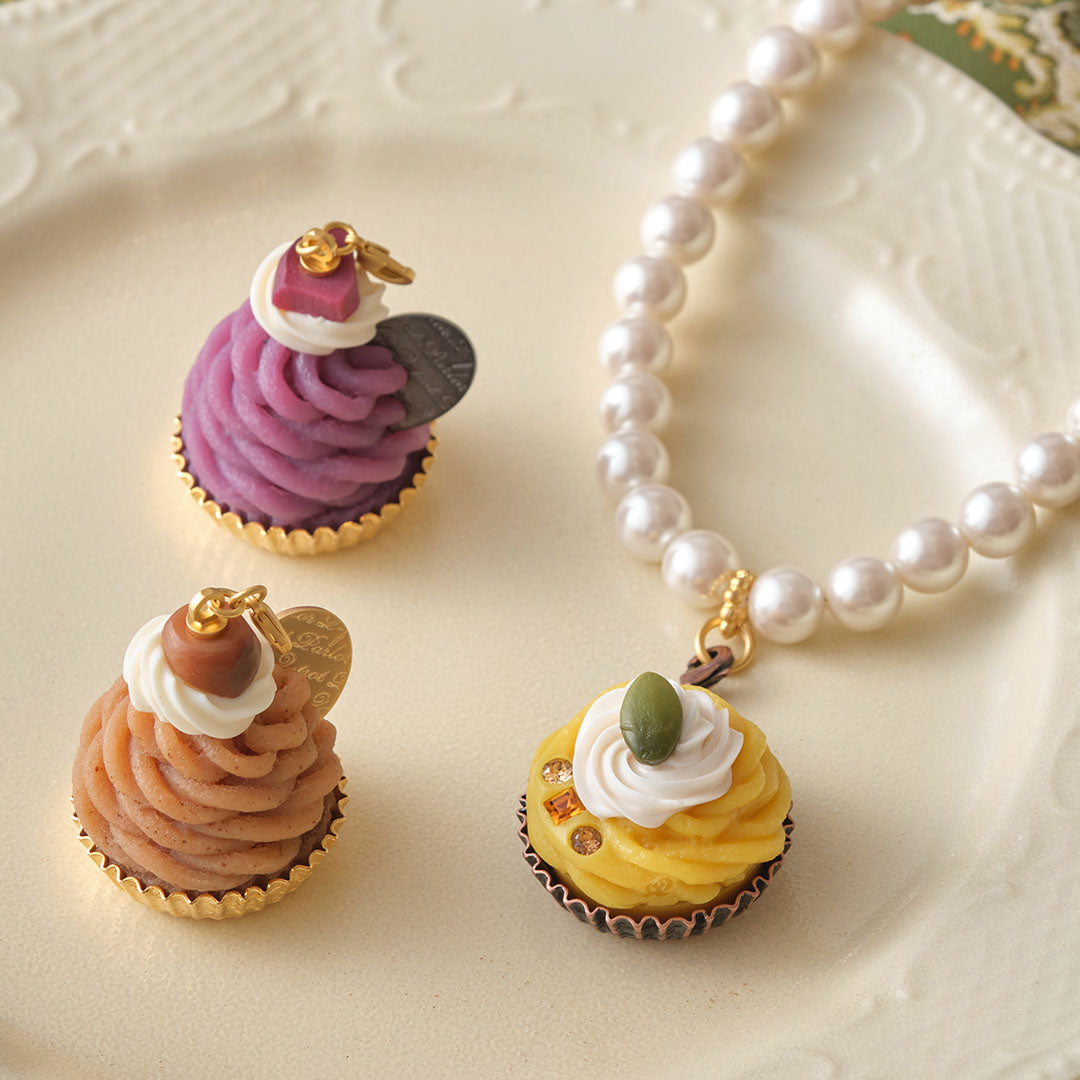
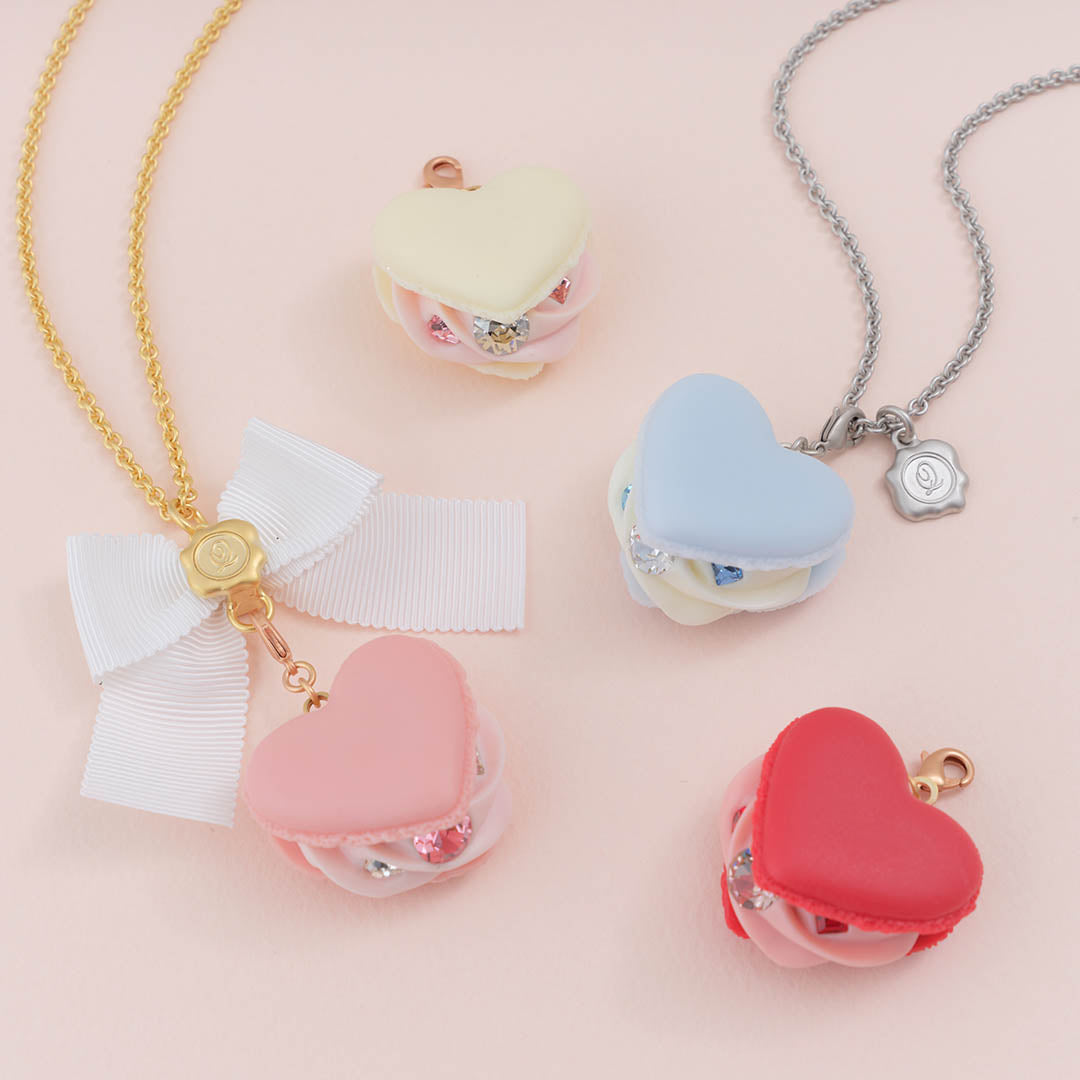
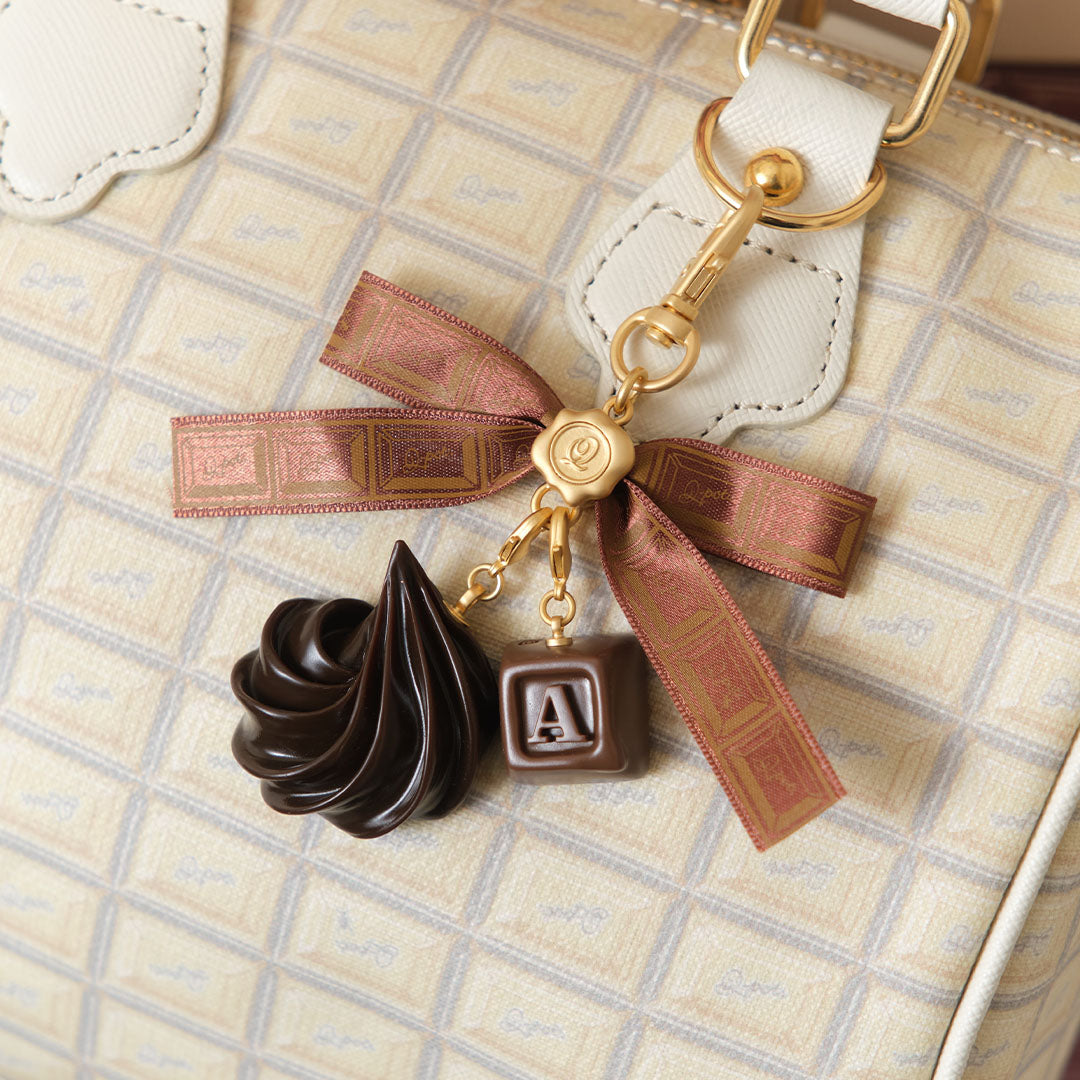

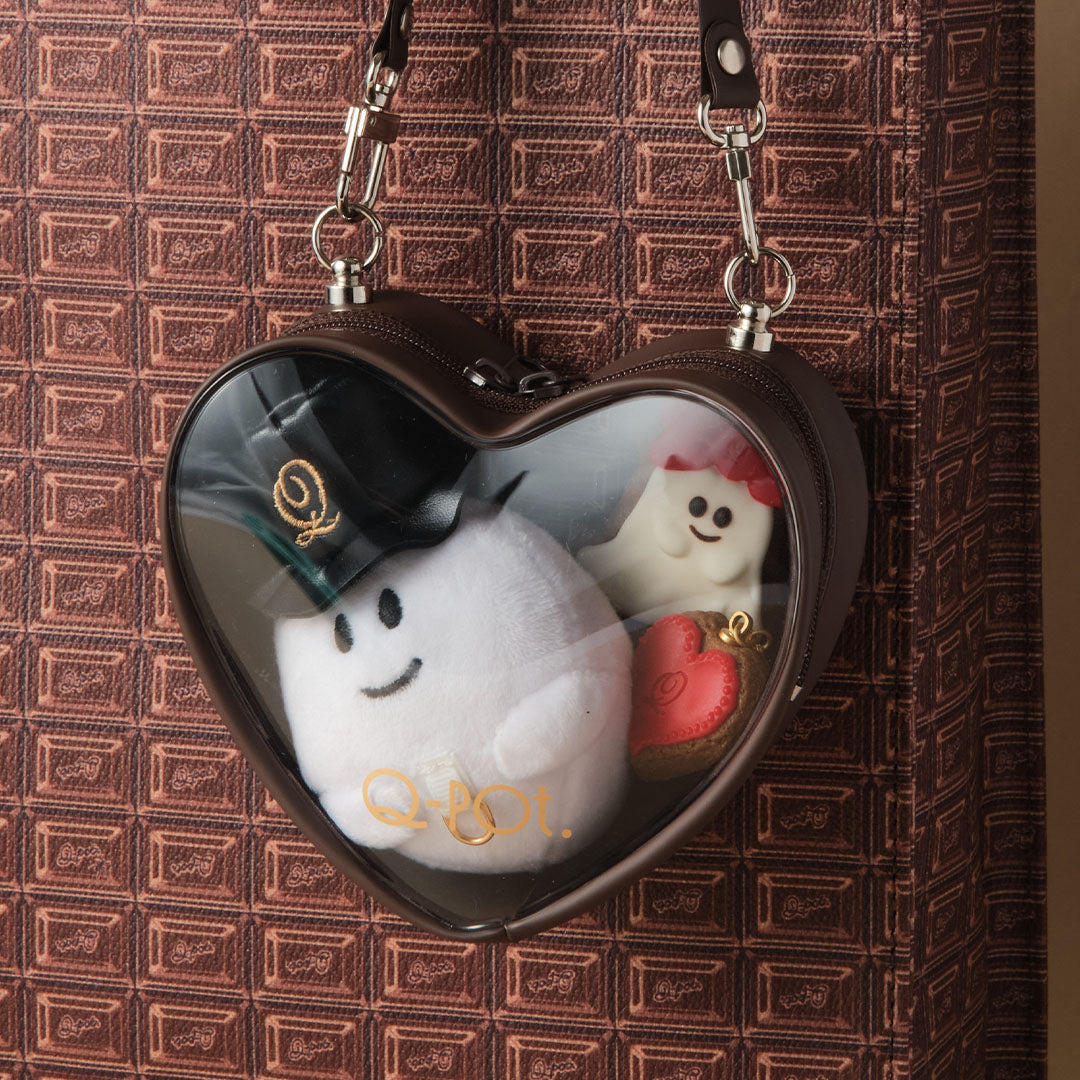
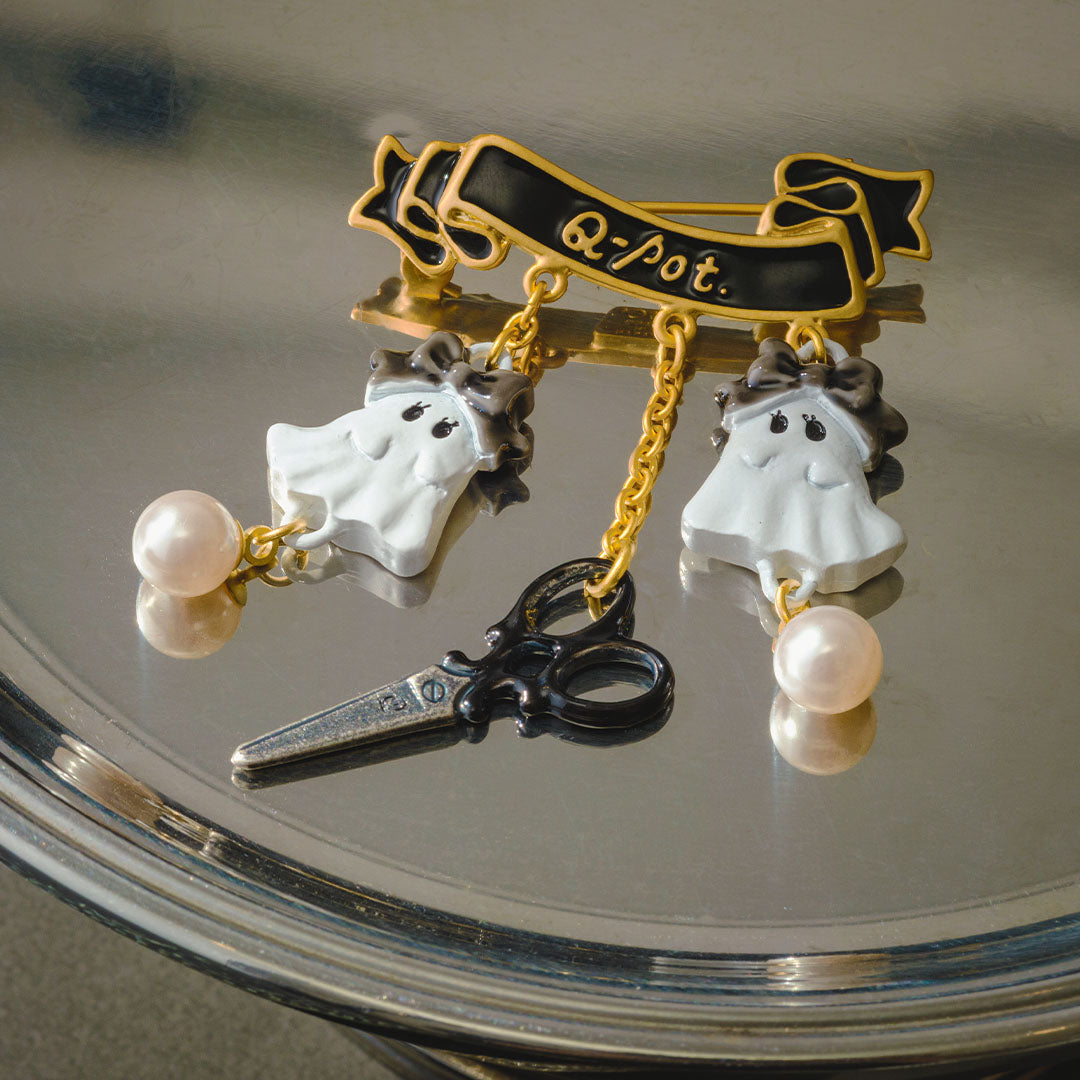

Q-pot.’s signature sweets-inspired accessories, which serve as the very "business card" of the brand, were born from the gentle moments of Wakamatsu’s everyday life.
He recalls: "One day, I saw my daughter eating cake. She had whipped cream smeared all over her cheeks, and she looked so incredibly adorable. To me, it looked as if she were decorating herself. I thought if I could create a 'happy accessory' that captures a scene like that, it would bring joy not just to me, but to everyone else, too. That’s when I decided to create the 'Whipped Cream' motif."
Wakamatsu designed the "Whipped Cream" series with the philosophy of "decorating oneself" rather than simply "wearing an accessory." To capture the perfect essence of whipped cream, he chose a soft-textured silicone (now evolved into PVC). At the time, such materials were considered unsuitable for jewelry making, and silicone accessories were virtually non-existent in the world.

However, Wakamatsu remained steadfast in his conviction: "If it doesn’t look delicious, no one will be happy, and no one will want it." Driven by this belief, he meticulously selected materials that allowed people to almost "taste" the texture, crafting pieces that looked even more delicious than the actual sweets they were modeled after.
In the production studio, Wakamatsu functioned less like a jeweler and more like a confectioner. Because the Whipped Cream pieces could not be mass-produced, he spent his nights hand-piping 2,000 to 3,000 silicone swirls, finishing each piece by hand with charms and chains.

Wakamatsu’s approach to prototyping remains entirely different from conventional jewelry making. Sometimes he carves wax, sometimes he kneads paper clay, and sometimes he even bakes actual cookies. This boundary-breaking approach to creation remains unchanged today, more than 20 years later.